


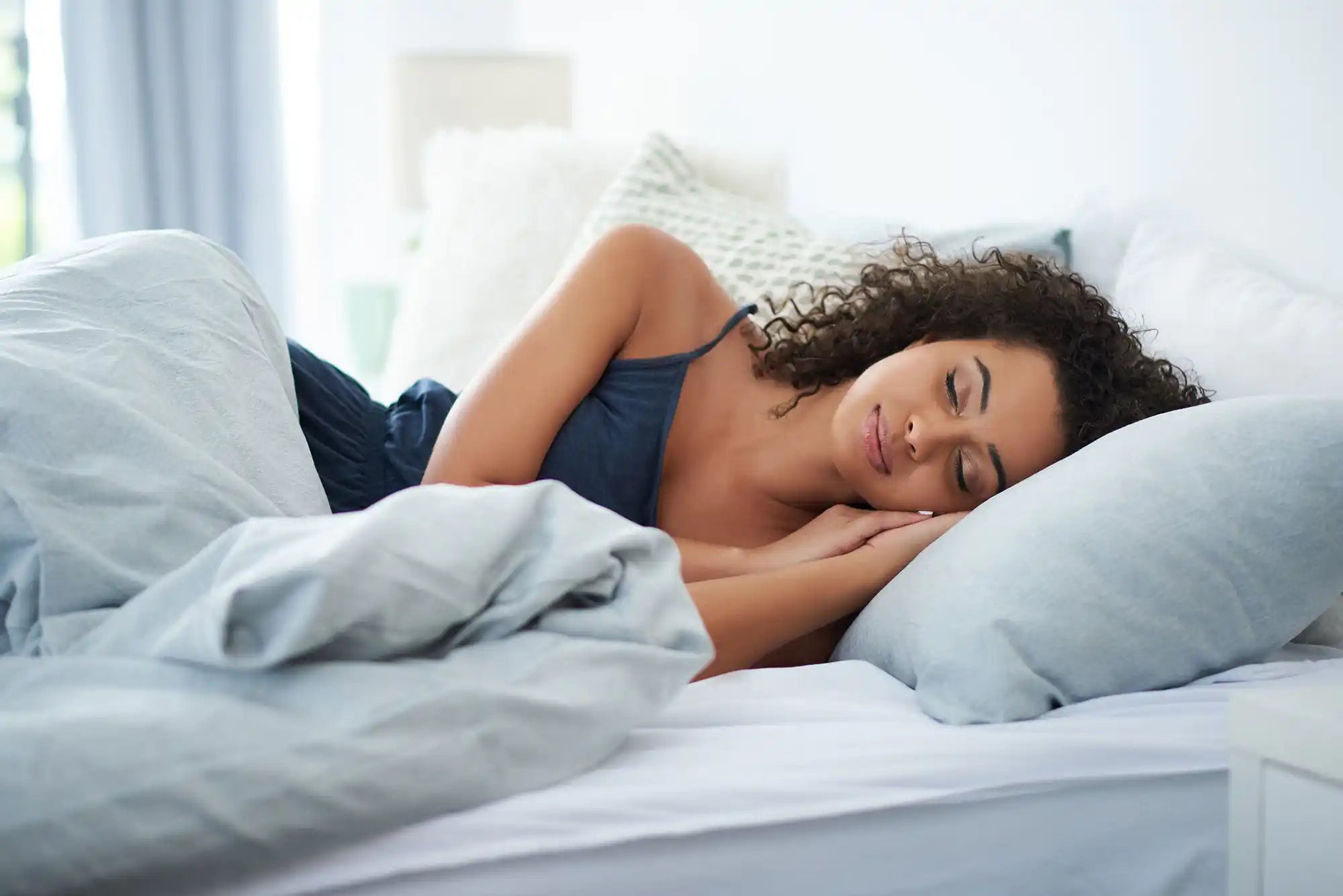
The quality and quantity of sleep that we manage to achieve plays an important role when it comes to our overall health. When you have a good night’s rest you have more energy the next day, you can think more clearly and are usually in a better mood. But there are some lesser-known benefits to getting enough sleep which you might not know about.
Improve your muscle function and athletic ability
During sleep, the body produces its own muscle-building hormone – a compound called Human Growth Hormone (HGH). During certain stages of sleep, blood flow to your muscles increases, and tissue growth and repair occurs. During the dreaming phase, muscles relax, reducing tension. So, for athletes in particular a consistently good night’s sleep is an important element in muscle healing.

Sufficient sleep can also improve muscle co-ordination. In one study of basketball players, adding two hours of extra sleep to their routine resulted in a significant increase in speed and reaction time on the court.
Reduce your hunger and support digestion
Sleep helps to regulate hunger hormones that control your appetite. Specifically, a lack of sleep lowers the levels of ghrelin – the hormone that helps you feel full - and increases levels of leptin, the hunger hormone. So, chances are if you get a good night’s sleep you won’t overeat the next day. Cravings for calorie rich, micronutrient-poor foods also increase with sleep deprivation.

Sleep also gives your digestive system a well-needed rest. If you can, avoid sleeping on your stomach. The best sleeping position to support your digestion is on your back, or on your left side: this also helps to increase blood flow to key organs.
Beauty sleep is a real thing
After just one night of sleep deprivation, skin function has been shown to be negatively affected. Changes have been demonstrated in the moisture content, elasticity and translucency of skin when we don’t get enough sleep. Blood flow to the skin is also reduced significantly. These effects were seen around the eyes, lips and cheeks.
Improvements in memory and recall
Researchers have demonstrated the effect of sleep on memory by teaching people new skills and then scanning their brains after a period with or without sleep. They hypothesised that during sleep, memories and skills are moved to more efficient and permanent brain regions, making for higher proficiency the next day.

Sleep also helps us learn new ideas, not just remember the old ones. This was established by researchers in Israel exposed people to a sound and a pleasant smell while they slept. When they woke the next morning, even though the sound was not accompanied by the smell, participants started sniffing!
Pleasant smells can ward of nightmares
When a rose-like smell was used around participants in one trial whilst they slept, those who found the smell pleasant reported less incidence of frightening dreams than those who didn’t like the smell. These findings could be attributed to the nature of odour perception and the characteristics of brain activities during our dreaming sleep phase.
Sleep deprivation can lead to a ‘high’
Sleep restriction increases the levels of the body’s own natural cannabis-like compounds called endocannabinoids. This may be why sleep deprivation has been found to increase levels of hunger and decrease feelings of stress in some individuals.
Increased immunity
We spend a third of our lives asleep and one of the most important jobs our body does when we sleep is repair itself. Sleep is an important regulator of the immune system as this is when the necessary functions to maintain its balance are carried out.

We all know that when we are poorly or feel under the weather we often sleep more: it is the immune response which is responsible for this increased sleep associated with infection. The body needs to relax so the immune system can do its job. Sleep deprivation also has detrimental effects on the number of our immune-cells overall and how well they function.
With so many benefits of getting a good night’s sleep, having an early night is one of the best things you can do when it comes to self-care. Sleep tight…zzz...
Discover Deep Sleep - a carefully balanced blend of vitamins, minerals and botanicals designed to help you drift off and wake feeling refreshed.



Share: