



Weight management can be a challenge for many of us but maintaining a healthy weight and balanced lifestyle has a huge number of benefits for our overall health. Obesity is a risk factor for many health conditions including high blood pressure, stroke, heart disease, type 2 diabetes, some cancers, respiratory issues, and bone and joint health. To help get your weight under control, a weight management supplement with natural GLP-1, as part of a structured eating and exercise plan, can provide additional support.
Our Weight Management Products
Explore Our Range Of Weight Management Supplements
FrequentlyAsked Questions About the Weight
What causes weight gain?
Energy in versus energy out
· Generally, body weight reflects energy balance over time: calories in (food and drink) versus calories out (daily activity and metabolism).
· If you eat more calories than you burn through activity, exercise and your natural metabolism, you will put on weight. So, an ongoing energy deficit, where you burn more calories than you eat, is what will help you to lose weight.
· Once you have reached your target weight, maintaining a balance between calories in and calories out through a balanced diet and exercise plan will help you to sustain a constant healthy weight.
Other reasons for weight gain
· Weight gain is also influenced by a range of other factors including genetics, hormones, and socio-economic and environmental influences: it can also be a side effect of some medications or health conditions. It is not always because of unhealthy lifestyle habits such as poor diet and lack of exercise.
· Always consult your healthcare practitioner for support and advice if you are struggling with your weight or if you have any additional health concerns which may be contributing to your weight management.
However, research has shown that obesity is complex, and includes many body systems involved with hunger, satiety (how full we feel), and energy balance. One of these systems involves a hormone called GLP-1.
What is the hormone GLP-1?
Research has shown that hormones released in the gut which help regulate blood glucose levels after eating play an important role in obesity. One of these hormones is glucagon-like
peptide-1 otherwise known as GLP-1. So, the role of GLP-1 and weight are linked.
GLP-1 leads to weight loss by acting on various body systems. These actions include:
· Suppressing appetite and food intake (so you feel less hungry and therefore eat less)
· Increasing satiety (the feeling of being full)
· Reducing gastric emptying of food (helping you feel fuller for longer)
· Improving fat metabolism by reducing white adipose tissue thickness
· Enhancing browning of adipose tissue (which helps to increase energy expenditure / burning of calories)
Blood Sugar Balance (H4)
Blood sugar balance is important when it comes to weight management because high levels of blood sugar can lead to increased appetite and fat storage.
· GLP-1 is released in the intestine in response to eating and/or increased blood glucose levels.
· It helps support the action of insulin – a hormone which helps the cells in the body to take in glucose for energy - and reduces liver glucose production, which in healthy individuals results in lower blood glucose levels.
· Research therefore suggests that using botanicals which can mimic the effects of GLP-1 in natural GLP-1 supplements could help to maintain balanced blood sugar levels.
What does healthy weight management look like?
Adopt a well-balanced diet
There is no single “best” diet. An individual plan is usually recommended that maintains your nutritional balance while creating an energy deficit.
Always consult your healthcare professional or dietician for advice on building a diet plan that’s right for you. But in the meantime, here are some top tips:
Centre your diet on whole, minimally processed foods.
· Whole foods are generally lower in energy density (fewer calories per gram) and higher in fibre and water, which improves feelings of fullness. Fill half your plate with vegetables or salad at lunch and dinner
Higher-protein diets can increase satiety (feelings of fullness) and protect lean mass during weight loss, when part of an overall calorie-reduction plan.
· Include a source of protein at every meal (e.g. fish, poultry, eggs, low-fat dairy, tofu/tempeh, beans, lentils).
Eating more dietary fibre improves fullness, supports gut health, reduces post-meal glucose rises, and is consistently linked with healthier weight. Many studies associate higher fibre intake with better weight outcomes.
· Aim for 30g fibre per day. Base your meals around wholegrains and add beans, chickpeas or lentils. Eat fruit and vegetables at every meal
Water, sugar-free drinks and unsweetened tea and coffee can help manage hunger and replace high-calorie beverages.
· Stay well hydrated. Replace sugary drinks with water or zero-sugar alternatives.
Get moving
Adults should aim for around 150–300 minutes per week (30-60 minutes, 5 days a week) of moderate-intensity activity (e.g. brisk walking, cycling, swimming) or 75–150 minutes per week of vigorous activity. Plus, muscle-strengthening activities (resistance training) on at least 2 days per week and regular balance and flexibility work.
· Try 10–20-minute bursts of exercise and gradually build-up your activity levels. Take short breaks as needed. Track your weekly activity minutes to stay motivated.
· Prolonged sitting is associated with higher body fat: if you have a sedentary job, take regular movement breaks.
Sleep well
Studies have found that extending the amount of time you are asleep reduces energy intake and produces a negative energy balance (which is a positive thing), meaning sleep can help with a weight management programme.
· Aim for a regular sleep schedule and adequate duration. Keep consistent bed and wake times.
· Wind down with a relaxing routine and avoid smart screen use just before bed.
Destress and support your emotional wellbeing
Stress can trigger overeating and reduce our ability to stick to healthy routines. Building in stress-reduction techniques to your day alongside social support can help to manage stress and anxiety. Always speak to a healthcare professional for advice and especially if you are feeling overwhelmed.
· Build non-food-based coping mechanisms into your day (e.g. brief walks, journalling, creative hobbies).
· Consider group support or programmes with proven behaviour-change techniques which may help.
· Practise relaxation through mindfulness, meditation, or breathing exercises.
Can supplements support weight loss?
Botanicals
There are a range of natural botanicals which may help support weight management.
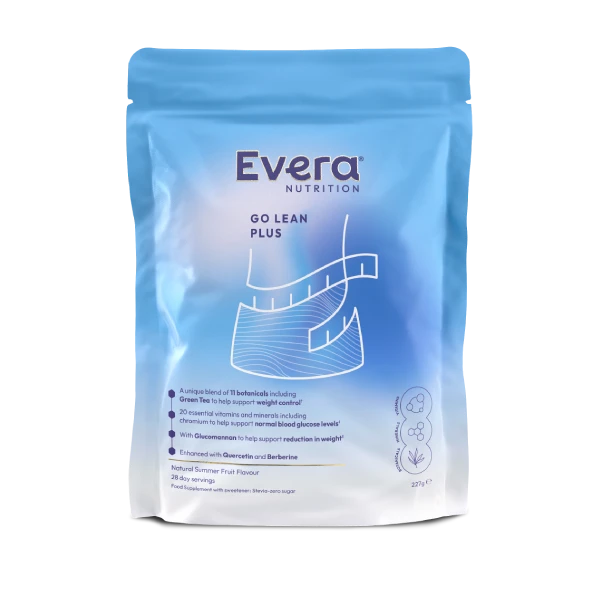
· Green Tea helps to support weight control.
· Cinnamon helps to maintain a healthy blood glucose level as a part of a healthy lifestyle.
· Other botanicals include extracts of Fenugreek, Berberine, Olive leaf, Hibiscus, White Mulberry leaf, Blackcurrant, Maritime Pine Bark, Pomegranate, and Curcumin.
Glucomannan
Some fibres act as pre-biotics in the gut. The action of the gut bacteria on the fibre produces Short-Chain Fatty Acids (SCFAs) which in turn can help regulate metabolism.
· Glucomannan is a dietary fibre which contributes to the reduction in body weight in the context of an energy-restricted diet.
Vitamins and Minerals
There are a number of essential nutrients that play an important role when it comes to weight management. Making sure we avoid micronutrient deficiencies is another way to help support our weight and overall health.
· Vitamin B6 contributes to normal protein and glycogen metabolism.
· Chromium contributes to the maintenance of normal blood glucose levels.
Can weight control supplements replace diet and exercise?
No – supplements can never replace diet and exercise. They are designed to support your overall well-being as part of a well-balanced diet and healthy lifestyle.
Can weight control supplements be used alongside GLP-1 medication?
Always consult your healthcare practitioner if you are on prescribed GLP-1 medication and would like to try the Go Lean Plus supplement alongside this.
Can weight management supplements be taken daily?
Yes – Go Lean Plus can be taken daily.