



Our bodies need a wide range of different nutrients every day to support our overall health and wellbeing. Vitamins are micronutrients which are essential for supporting a whole host of body systems.
Vitamin Supplement Products
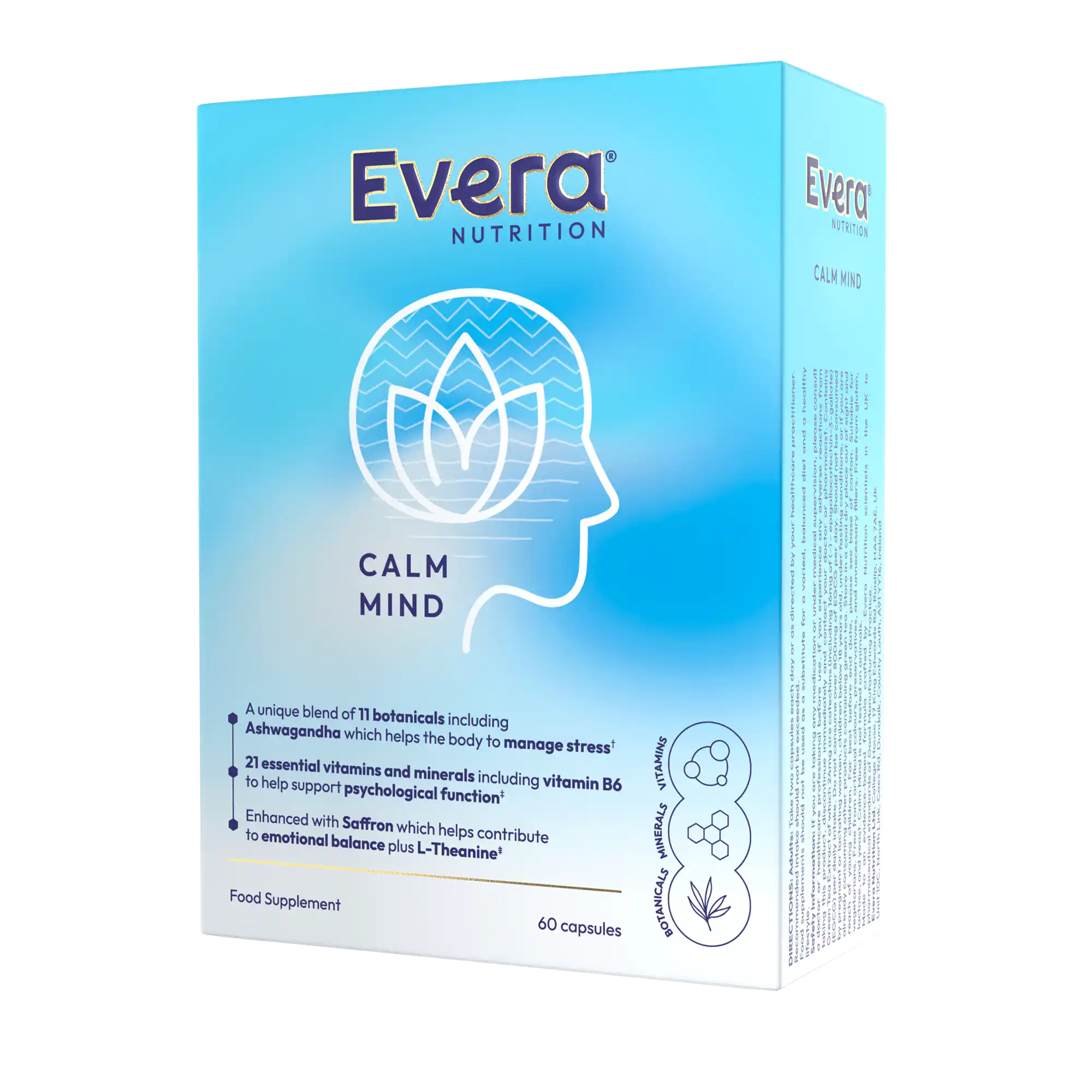
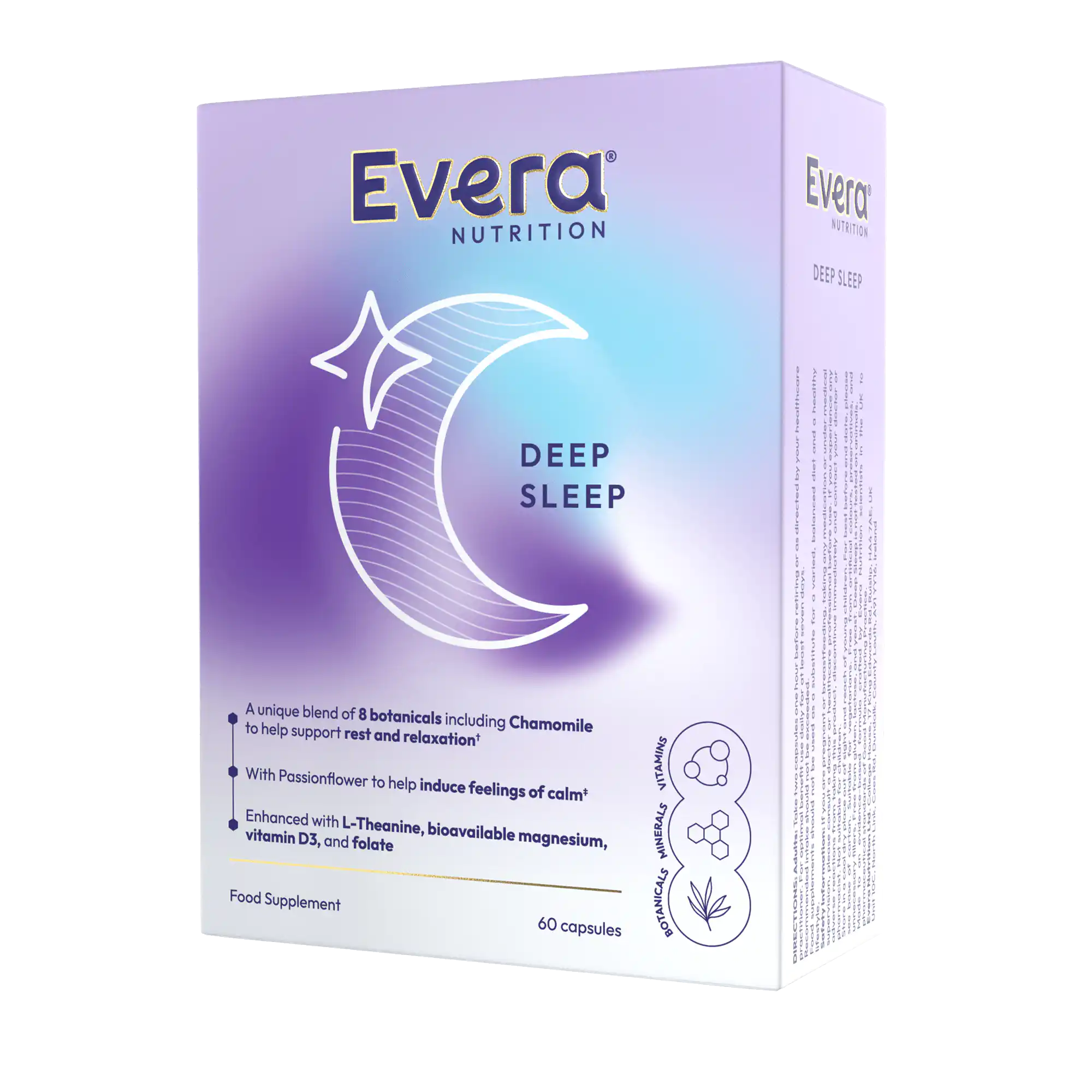
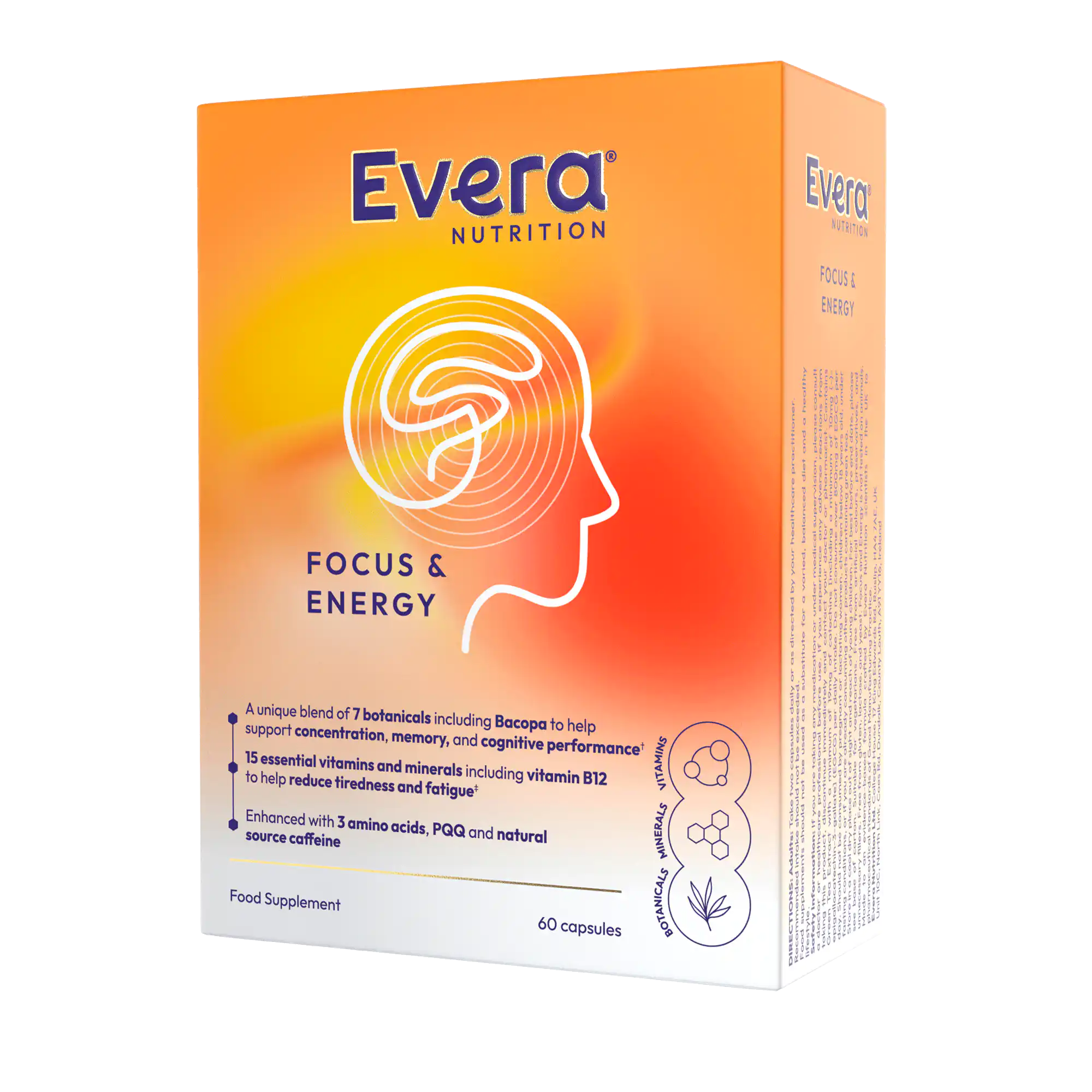
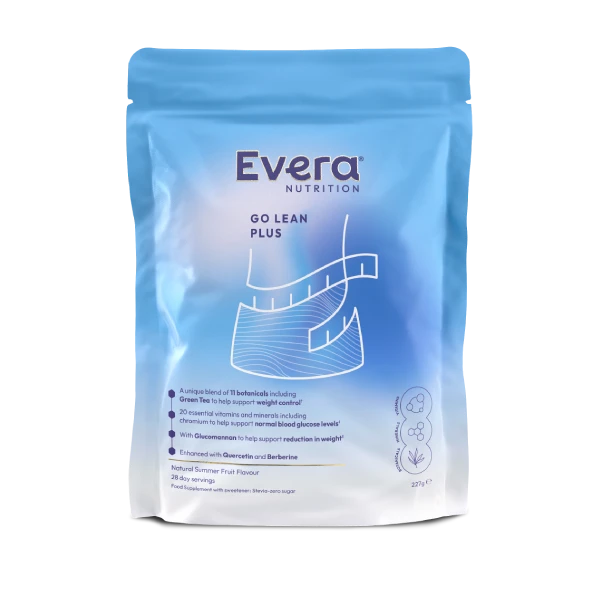
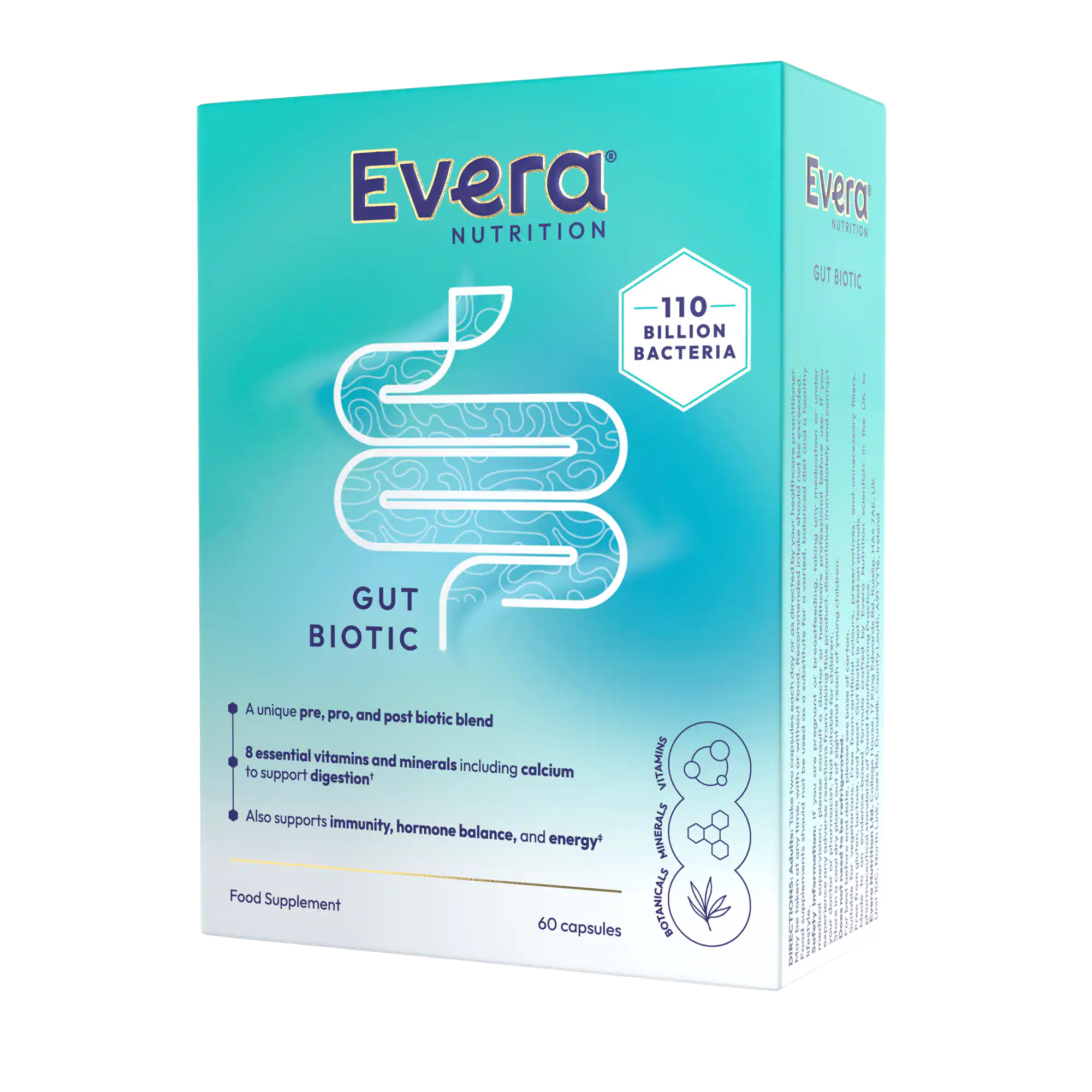
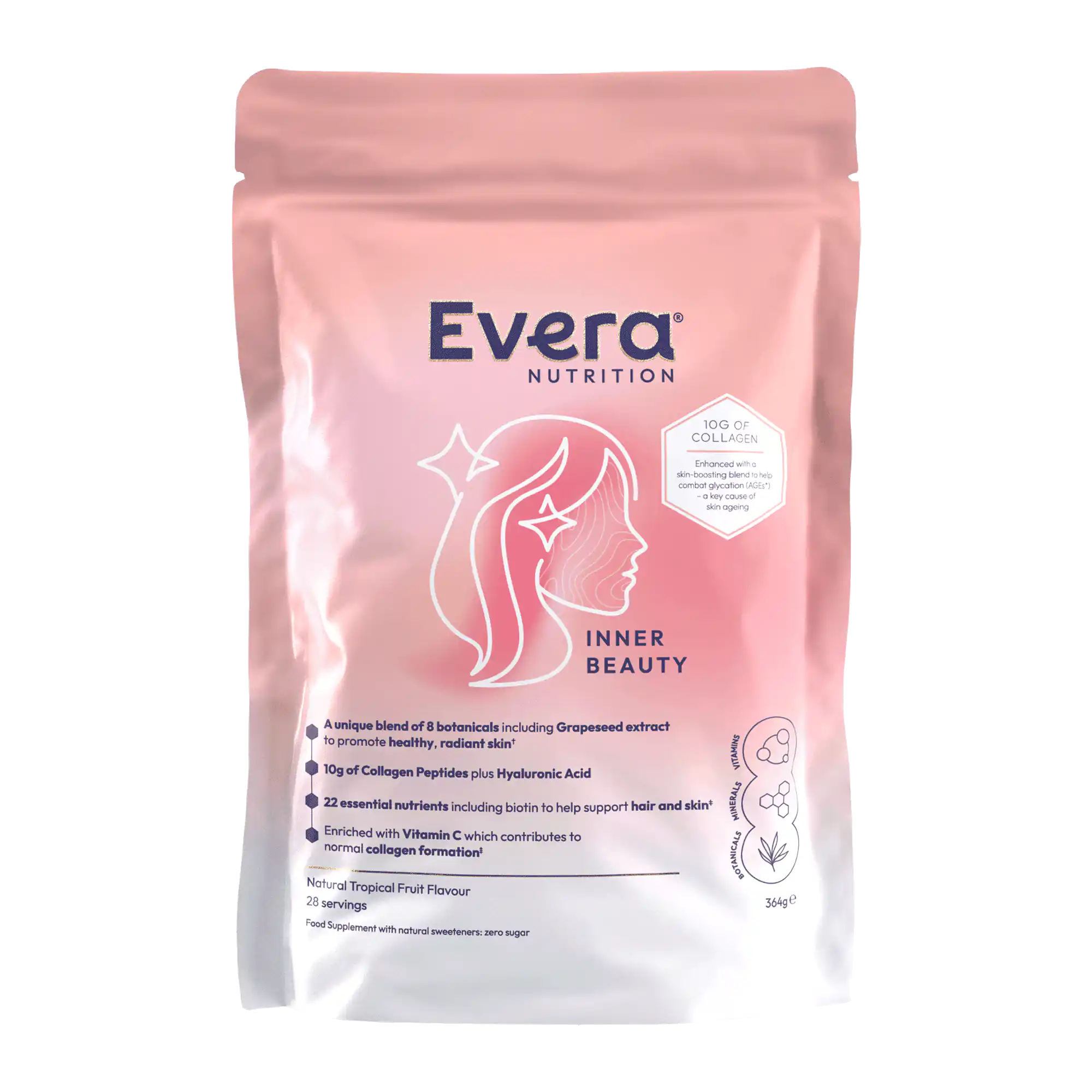
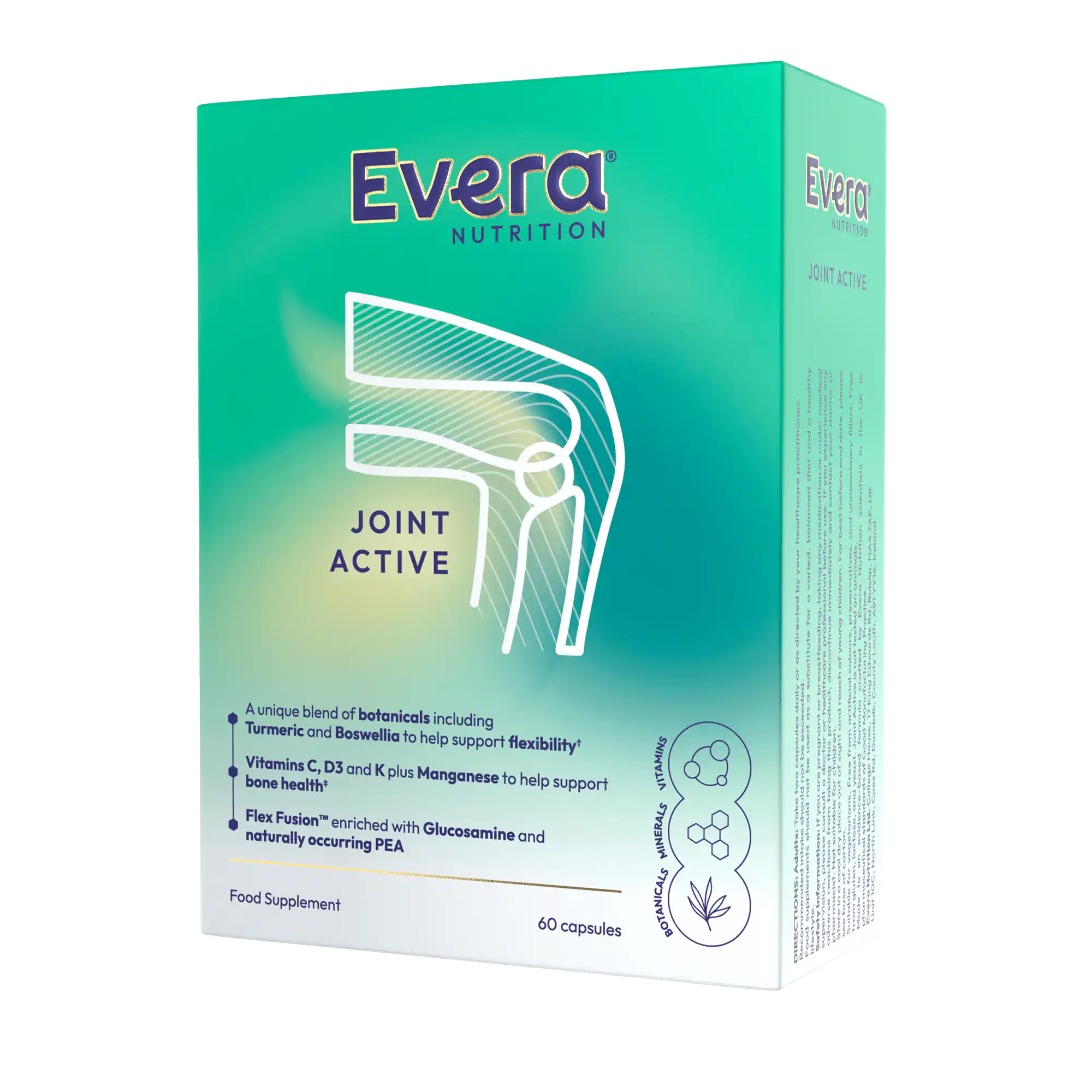
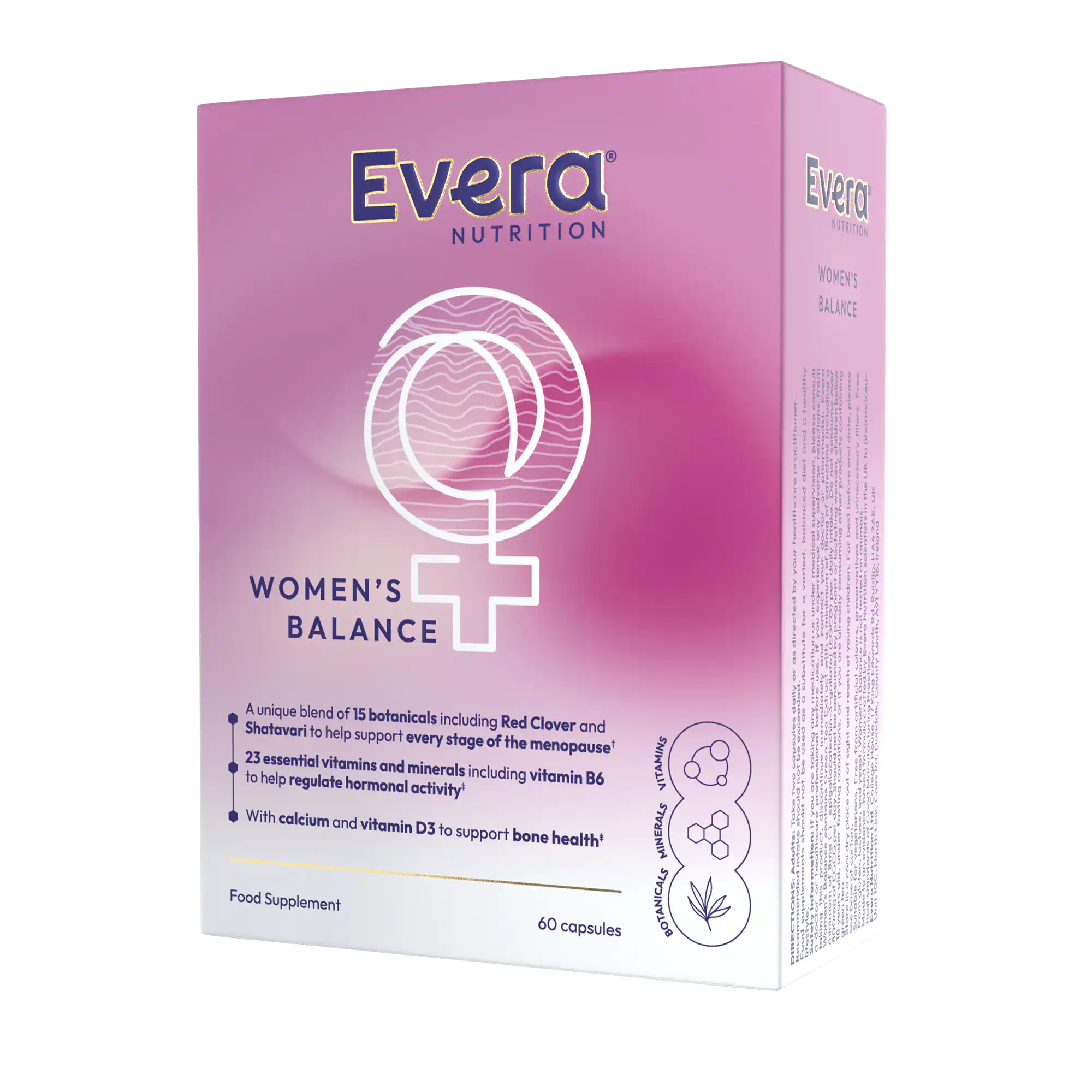
Each of our products contains targeted vitamins specifically chosen to support the health needs that the supplement has been designed for. Discover the range:
Frequently Asked Questions About Vitamins
What are vitamins?
Vitamins are naturally occurring substances found in dietary sources. They are essential to our health in many ways helping support important functions in the body such as growth, energy, repair and immunity.
There are 13 essential vitamins:
- Eight B-vitamins: Biotin (B7), Folate (B9), Niacin (B3), Pantothenic Acid (B5), Riboflavin (B2), Thiamine (B1), Vitamin B6, and Vitamin B12
- Vitamin A
- Vitamin C
- Vitamin D
- Vitamin E
- Vitamin K
Vitamins are either water soluble or fat soluble. All eight B-vitamins and Vitamin C are water soluble which means they dissolve in water and are not stored by the body, so need to be consumed frequently.
Vitamins A, D, E and K are fat soluble. This means they dissolve in fat and are stored in the liver and tissues for long-term use throughout the body.
Why are vitamins important for the body?
Vitamins each have many roles to play when it comes to our health. Some are needed in larger quantities than others.
Here are some examples of how vitamins support our bodies:
Vitamin A
Vitamin A is an essential nutrient for supporting immunity. It is also involved in supporting mucus membranes, skin health and vision.
Biotin
Biotin, like all the B-vitamins, is involved in energy and metabolism. It also supports hair, skin and nail health, and the nervous system.
Vitamin C
Vitamin C is a hard-working vitamin. It is involved in immunity, skin health, reduction in tiredness and fatigue, and helps protect cells from oxidative stress. It also has a role to play in the nervous system and contributes to cartilage and bone health.
Vitamin D
Vitamin D is involved in many body systems including immunity, bone and teeth health, and muscle function. It also helps support normal calcium levels in the blood.
What are the benefits of vitamin supplements?
Vitamin deficiencies or low levels of vitamins can result in a range of health problems. Making sure to take in enough essential vitamins through a well-balanced diet should always be the first step. However, a food supplement can be a useful top-up to the daily diet, making sure you are getting everything you need from a micronutrient level. Vitamins are often paired with minerals in multivitamin and mineral or combination supplements.
Extreme vitamin deficiencies can lead to serious conditions such as scurvy (vitamin C deficiency) or rickets (vitamin D deficiency). These conditions are rare in developed countries but can affect vulnerable, malnourished and impoverished groups who are lacking in good levels of nutrition.
Day to day, low levels of certain vitamins can manifest themselves in the following ways:
Low levels of vitamin A can lead to
- Lower immunity
- Changes in skin health
- Issues with vision such as night blindness
Low levels of biotin can lead to
- Lack of energy
- Changes in hair, skin and nail health
- Issues associated with the nervous system
Low levels of vitamin C can lead to
- Tiredness and fatigue
- Lack of energy
- Joint and muscle discomfort
Low levels of vitamin D can lead to
- Lower immunity
- Weakened bones / osteoporosis
- Muscle pain
If you have any concerns, always consult your Healthcare Practitioner for advice.
Can I get enough vitamins from food alone?
Eating a well-balanced diet full of fruits, vegetables, wholegrains, dairy and high-quality lean protein should mean that you are getting all the vitamins that you need. However, a daily food supplement can help ensure you are getting all these essential micronutrients.
Here are a few examples of which foods contain some of these essential vitamins:
Vitamin A
Animal sources of vitamin A (retinol) include oily fish (such as mackerel, salmon, and sardines), dairy products, liver and eggs.
Orange and yellow fruits and vegetables, such as peppers, carrots and sweet potatoes, contain beta-carotene - the plant form of vitamin A which is converted to retinol in the body. Beta-carotene is also found in dark green leafy vegetables.
Biotin
Biotin is found in small amounts in a wide range of food sources including vegetables, eggs, nuts and seeds, fish, meat, and legumes. Eating a well-balanced, nutritious diet should mean you are getting enough biotin.
Vitamin C
Vitamin C is found in a wide variety of fruits and vegetables. Eat a rainbow of different coloured fruits and vegetables every day: this will improve your intake of vitamin C along with a whole host of other vitamins and minerals.
Vitamin D
Vitamin D is only found in small amounts in some foods including oily fish, eggs and fortified foods so it is difficult to get enough Vitamin D from diet alone.
The majority of vitamin D is made on our skin in the presence of sunlight. However, in the UK and the northern hemisphere we don’t get much sunlight during the darker months of October to March, so it is recommended to take a supplement of at least 10ug of vitamin D daily during this time.
Can vitamin supplements be taken daily?
Yes – our food supplements can be taken daily.
Food supplements should not be used as a substitute for a varied, balanced diet and healthy lifestyle.