


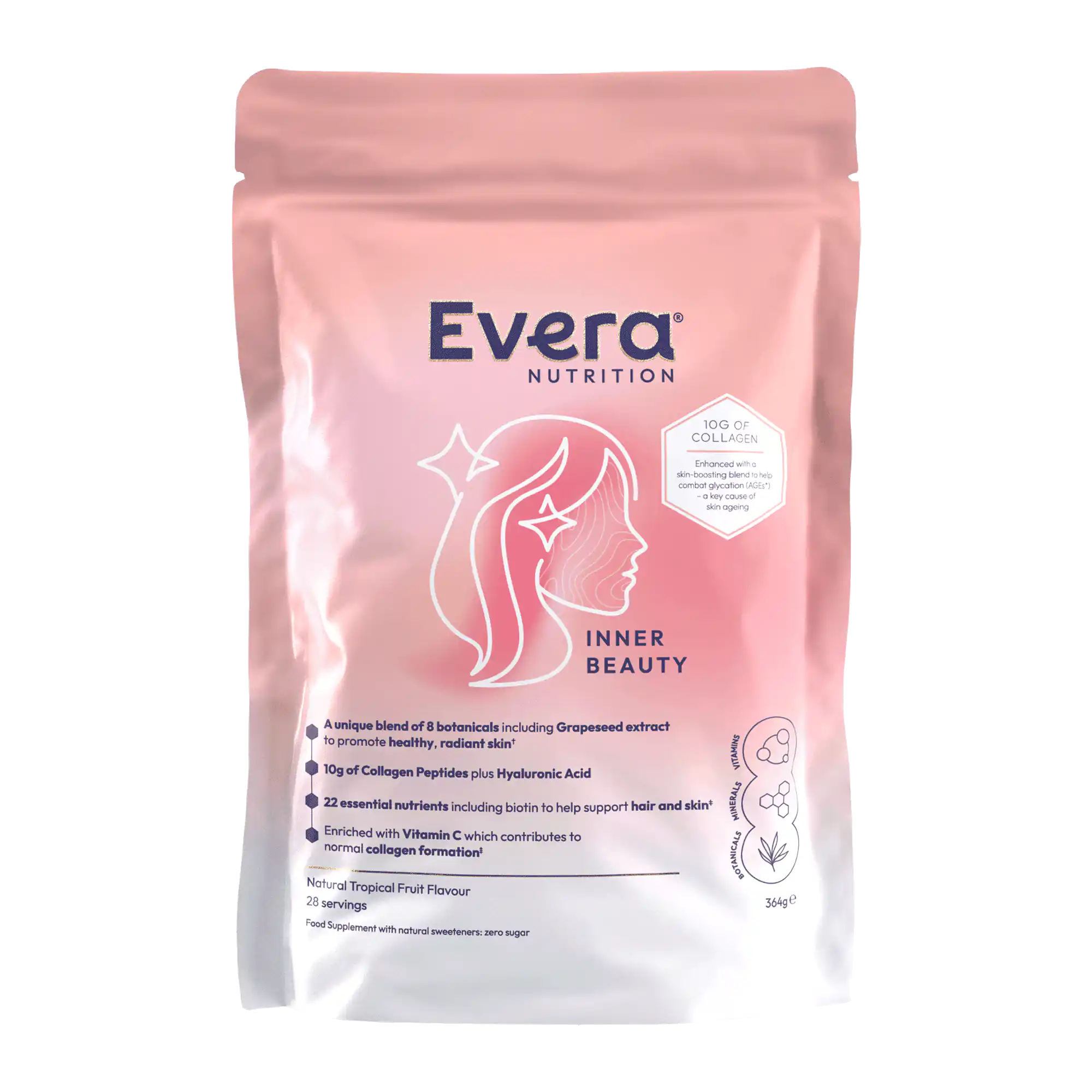
Our skin is a complex organ and works hard for us over our lifetime. So, it is no surprise that as we age, our skin starts to break down, becoming thinner and less elastic over time. Finding ways to support our skin health from the inside out through diet, hydration, and supplementation can have a big impact on how our skin looks and how we feel about ourselves overall. Inner beauty supplements can provide a helping hand, replenishing collagen stores and essential nutrients that contribute to skin health.
Skin, Hair & Nail Supplements
Skin, Hair & Nail Supplements
Frequently Asked Questions About Skin Health and Skin Ageing
What happens to ageing skin?
Reduced levels of collagen and elastin production
· This leads to decreased firmness and elasticity.
Thinning of the skin
· The epidermis (top layer) and the dermis (middle layer) become thinner, making skin more fragile.
Slower cell turnover
· Slower renewal of the cells in the epidermis can lead to dullness and a rough texture.
Reduced barrier function and water content
· This can lead to dryness and skin damage.
Accumulation of damage
· Oxidative stress (caused by free radicals), glycation (the process in the body where sugars bind with proteins such as collagen to produce compounds called “AGEs”), UV damage (from sunlight), and general inflammation can all contribute to skin ageing.
What causes skin ageing?
Skin ageing can reveal itself in a loss of elasticity and firmness, the appearance of fine lines and wrinkles, and in some cases hyperpigmentation in the form of age spots or sunspots.
UV Exposure and environment
· UV radiation is the major external contributor to skin ageing. It causes breakdown of collagen, elastin degradation, DNA damage, and hyperpigmentation or sunspots. Exposure to pollution, wind, and cold weather also contribute to skin damage.
Smoking
· Smoking accelerates skin ageing via increased oxidative stress, reduced blood flow, and reducing the skin’s ability to repair. This often resulting in “smoker’s lines”, deep wrinkles and loss of elasticity.
Dehydration and poor diet
· Your levels of hydration and what you eat can influence oxidative damage, glycation, inflammation, collagen turnover, and hormonal balance.
Low quality sleep
· Poor sleep is associated with increased oxidative stress, impaired barrier function, and more visible signs of ageing.
Stress
· Ongoing stress leads to higher levels of the stress hormone cortisol, increased inflammation, and slower healing, all of which contribute to skin ageing.
Lack of physical activity
· Exercise boosts circulation, reduces inflammation, and may enhance skin repair. Being physically active also helps maintain a healthy body composition.
Weight / Body Composition
· Excess weight increases inflammation in the body, as well as oxidative stress: both factors can accelerate ageing.
Avoidance of Harmful Substances
· Alcohol in excess, environmental pollutants, harsh skin treatments or soaps can damage the skin barrier or cause oxidative stress.
How does collagen support hair, skin, and nails?
Collagen is the most abundant protein in the body and forms the basis of hair, skin and nails, as well as bones, tendons and cartilage.
· Collagen supplements, especially collagen powders, are a good way to support levels of collagen in the body.
· Vitamin C is an essential vitamin often found in collagen supplements as it contributes to normal collagen formation.
Which other nutrients help maintain healthy-looking skin?
Anti-glycosylation and fighting AGEs
Glycosylation is a reaction in the body between sugars, proteins, DNA, and lipids (fats). This process produces Advanced Glycation End-products (AGEs). The accumulation of AGEs affects
skin cells and causes protein structure changes, leading to skin darkening and skin ageing. The higher the levels of glycosylation, the more rapidly skin cells will age.
Research suggests that certain nutrients and botanicals can help to fight AGES and contribute to healthier and younger-looking skin. Anti-ageing supplements will often contain some of these ingredients:
· Grapeseed extract which helps to promote healthy, radiant skin.
· Other skin-loving nutrients which include Co Enzyme Q10, astaxanthin, carnitine, resveratrol, and specific extracts of Maritime Pine Bark, Milk Thistle, Ecklonia kava, Green Tea, Curcumin, and Chamomile.
Hydration
Ensuring skin is well hydrated can help to support firmer, more plump-looking skin. Well-hydrated skin can help reduce the appearance of fine lines and wrinkles and make skin appear smoother.
· Hyaluronic acid is a naturally occurring substance which attracts and retains moisture.
Which vitamins and minerals support skin health?
There are a number of essential nutrients that play an important role when it comes to our hair, skin, and nails. Making sure we avoid micronutrient deficiencies is another way to help support our outward appearance.
· Biotin contributes to normal hair and skin.
· Vitamin A helps to support normal skin.
· Zinc contributes to normal hair, skin, and nails.
· Vitamin E helps protect cells from oxidative stress.
How can nutrition support healthy skin?
Here are some key nutrients which have been shown to support skin health
Antioxidants (vitamin C; vitamin E; carotenoids; flavonoids; polyphenols)
· These nutrients can help neutralise free radicals (which cause oxidative stress), reduce UV damage, and help protect lipids and proteins including collagen.
Vitamin A
· Vitamin A can help to improve cell turnover, support skin cell maintenance, and reduce signs of photo-ageing.
Vitamin D
· An essential vitamin when it comes to skin repair and immunity, low levels of vitamin D are associated with poorer skin barrier function and increased photo-ageing.
B-Complex (the eight B-vitamins)
· The B vitamins play various roles in supporting skin health including DNA repair, improving barrier function, and reducing inflammation and photodamage.
Omega-3 Fatty Acids
These essential omegas are anti-inflammatory, help maintain the skin barrier, reduce dryness, and may also reduce photodamage.
Protein
The body’s essential building block, protein, is needed for skin repair (including collagen, elastin, and other structural proteins) and supports wound healing and maintenance of our skin overall.
Trace minerals (zinc, copper, magnesium, selenium)
Minerals contribute to creating antioxidant enzymes which help support the skin. Copper is involved in linking collagen and elastin. Zinc is important for repair and immune function.
Are beauty and collagen supplements suitable for everyday use?
Yes – Inner Beauty is suitable for everyday use.