



Our bodies need a wide range of different nutrients every day to support our overall health and wellbeing. Although they’re only needed in small amounts, minerals are essential for supporting a whole host of body systems.
Mineral Supplement Products
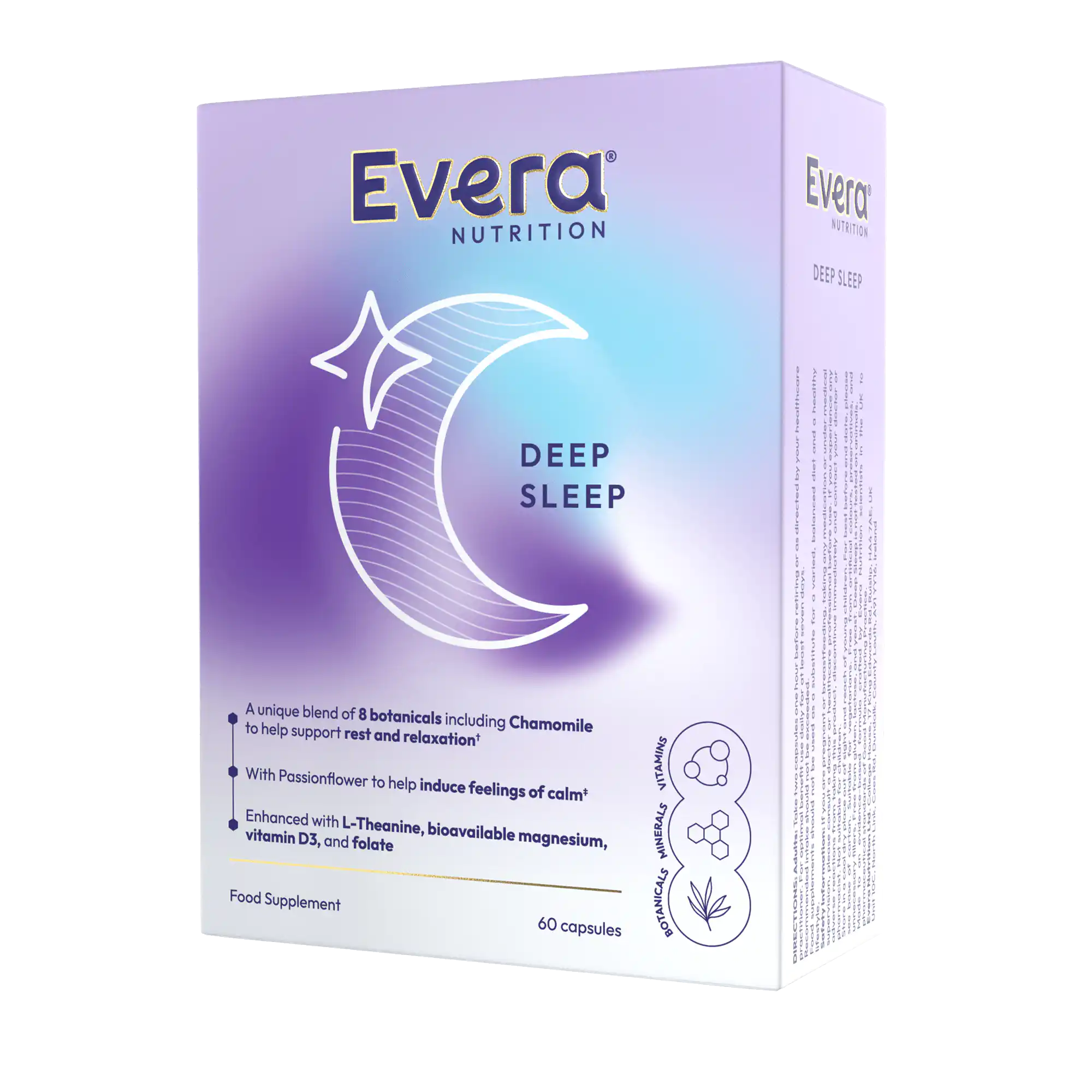
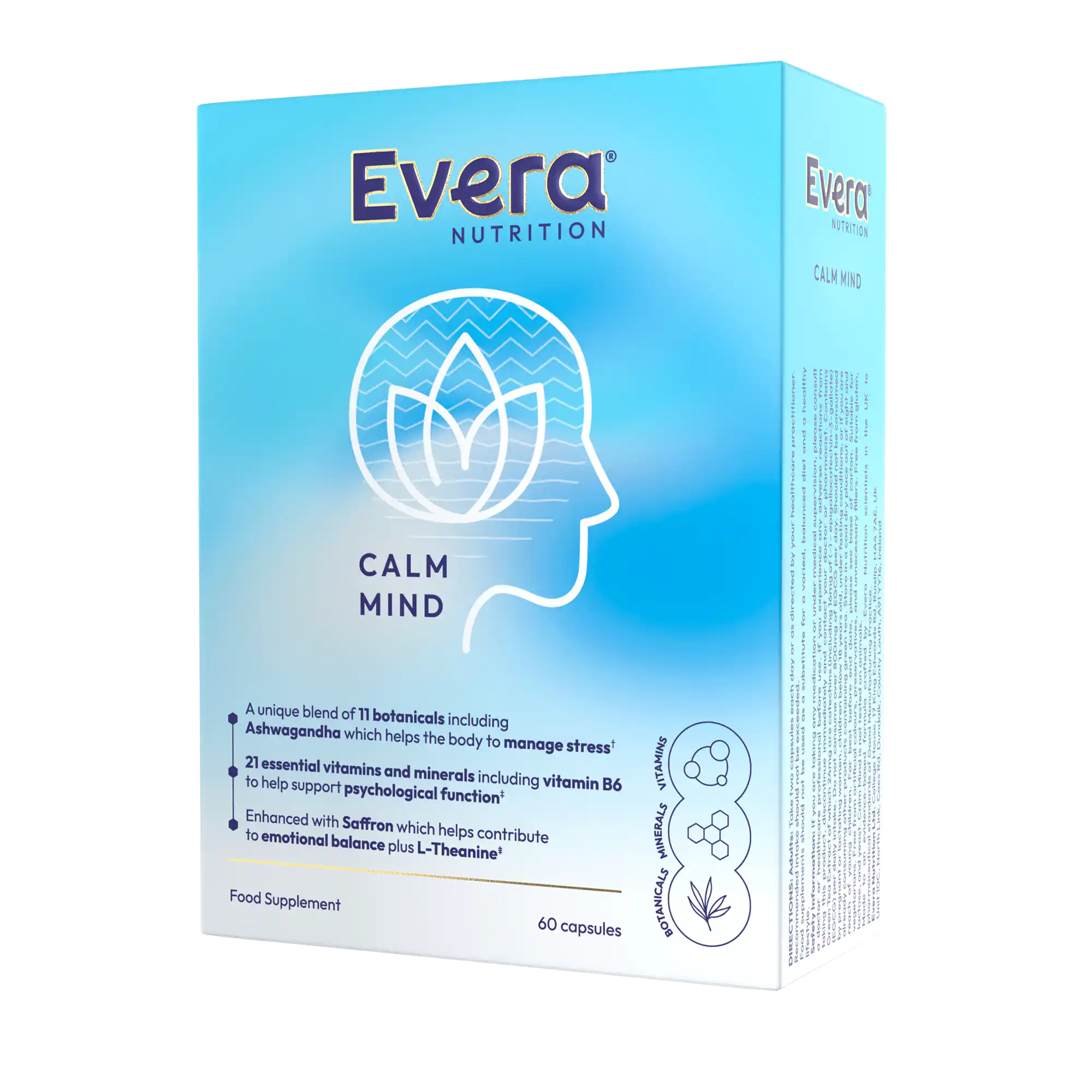
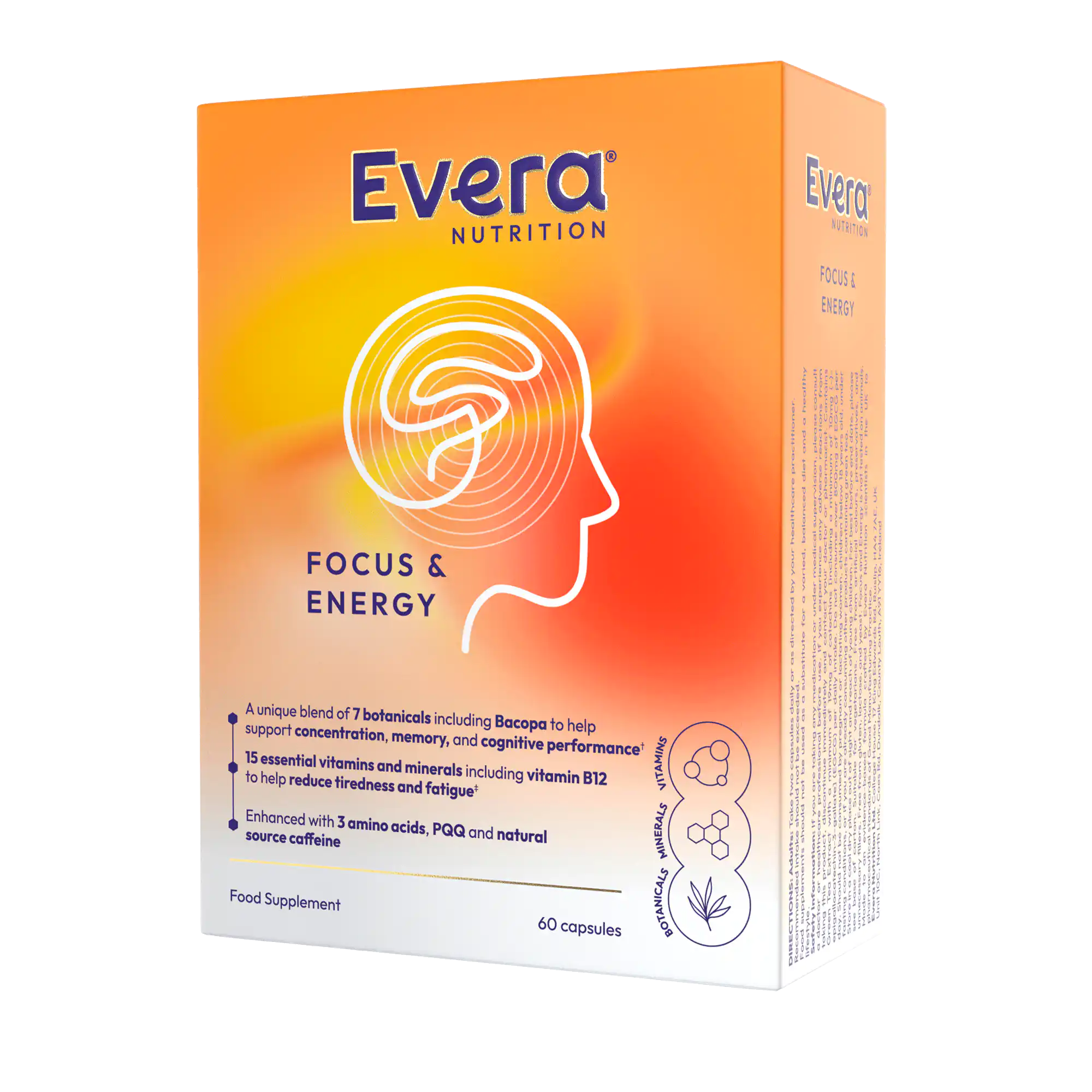
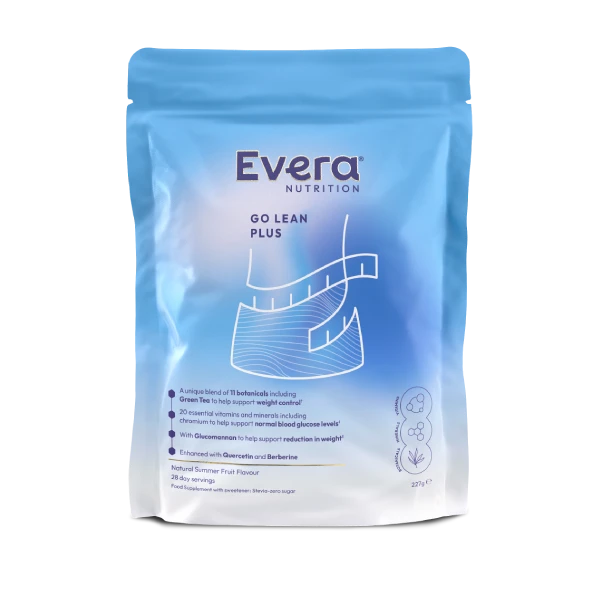
Each of our products contains targeted minerals specifically chosen to support the health needs that the supplement has been designed for. Discover the range:
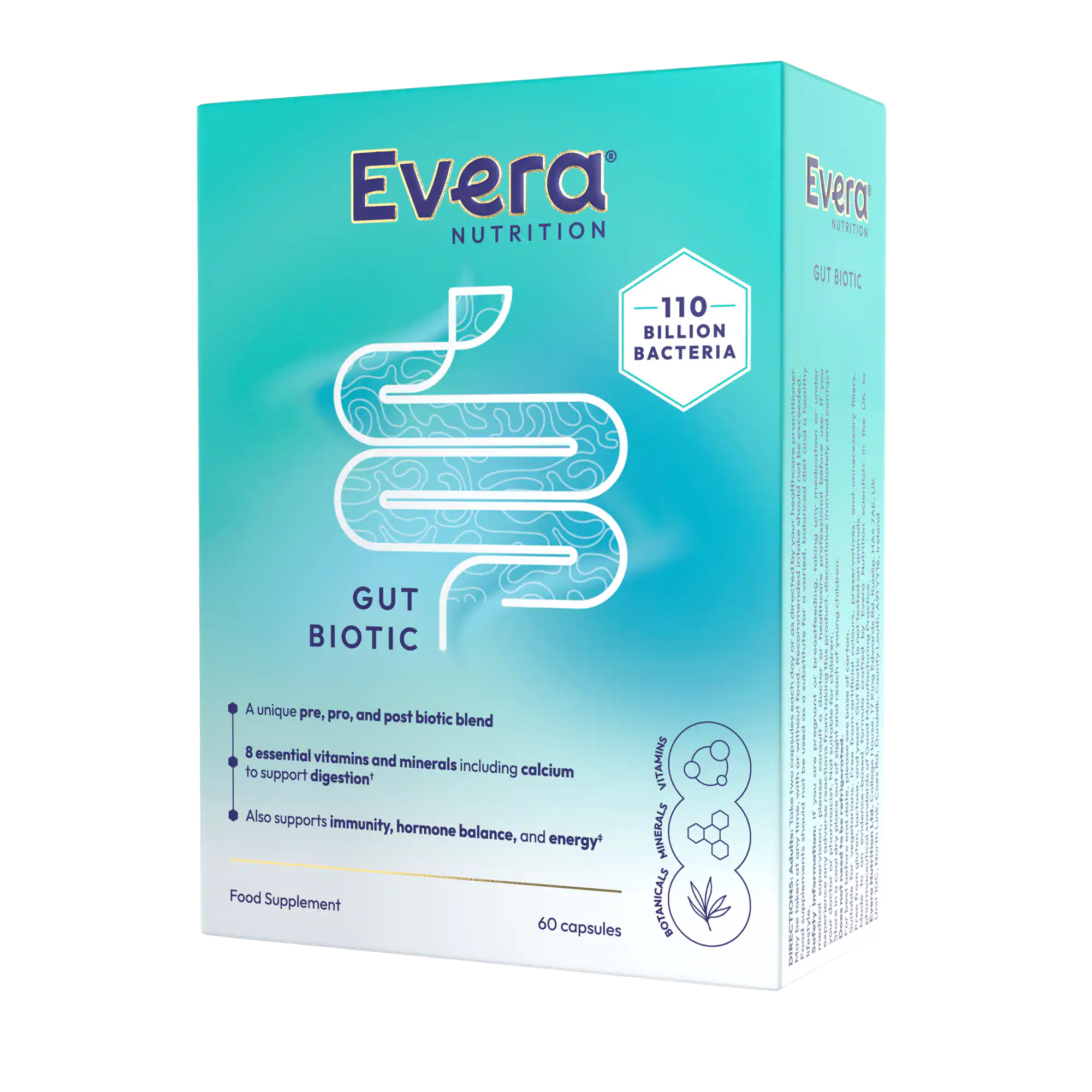
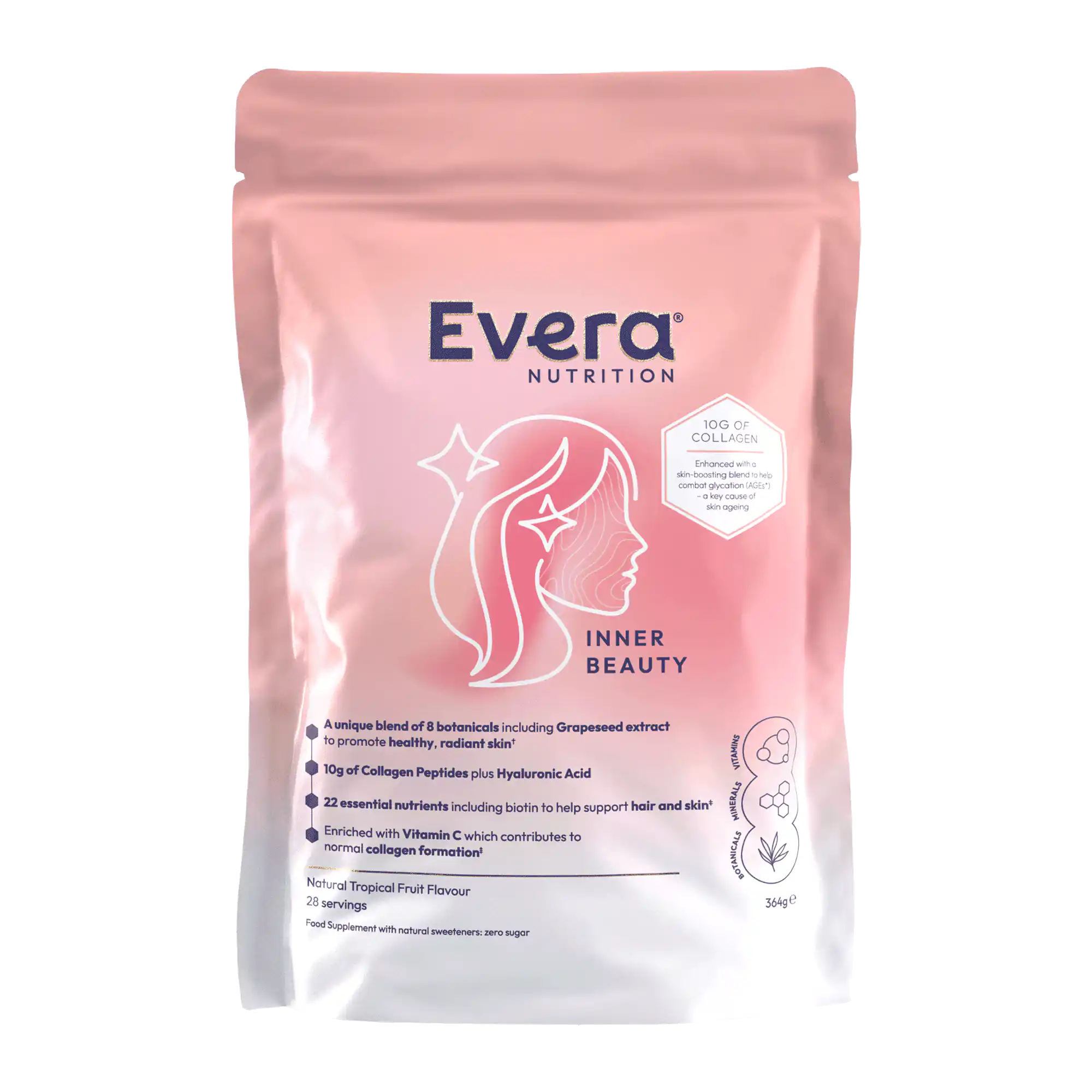
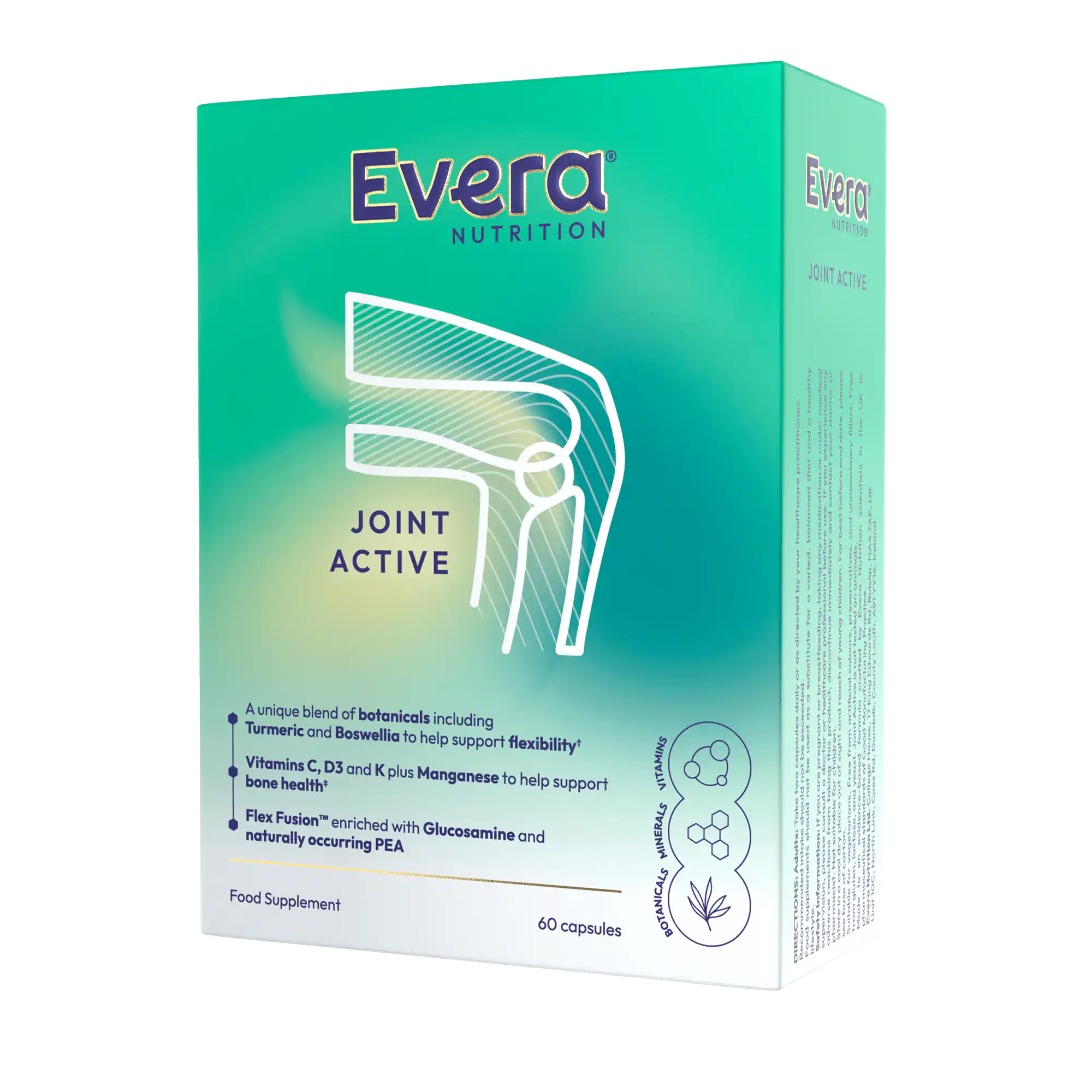
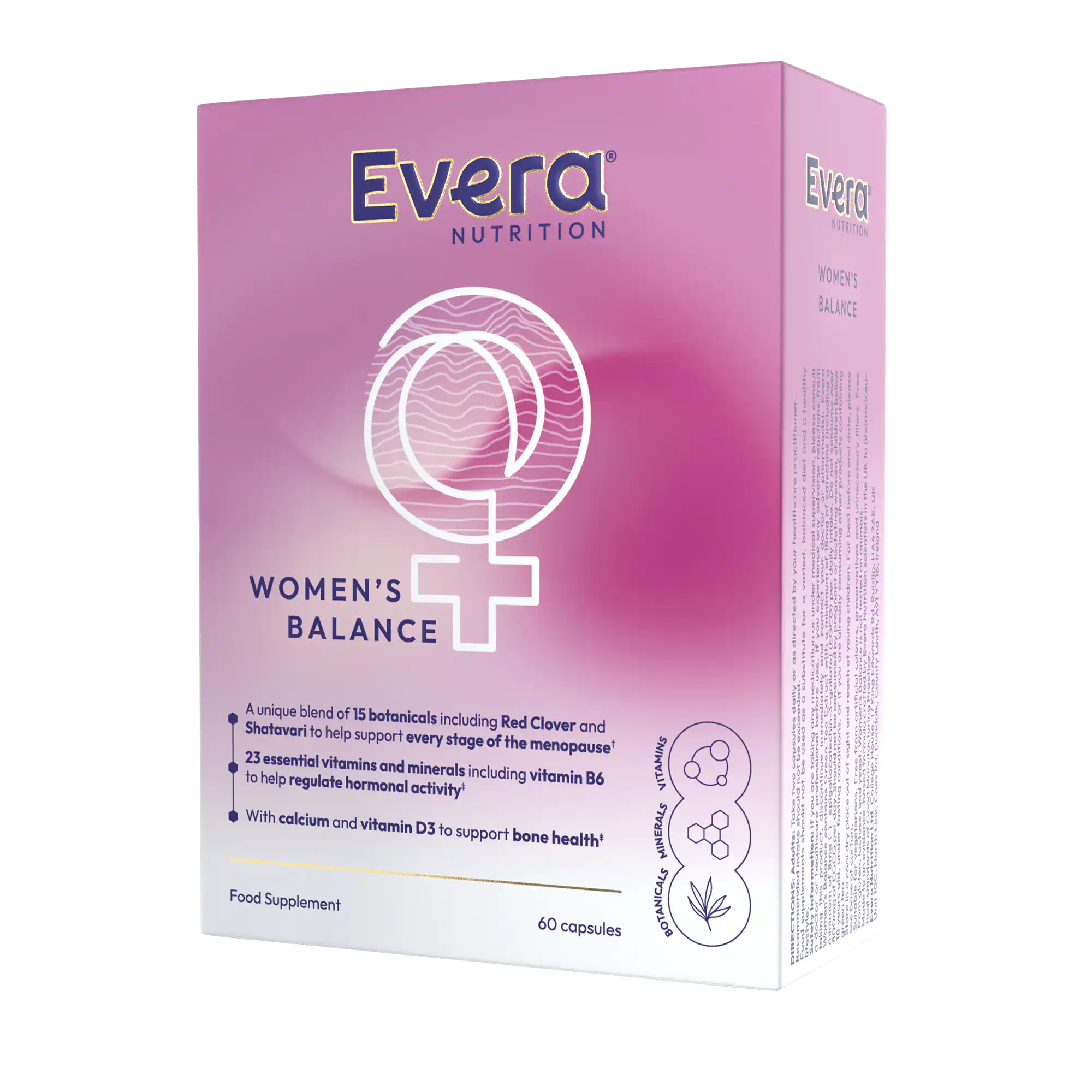
Frequently Asked Questions About Minerals
What are minerals?
Minerals are naturally occurring substances found in dietary sources. They contribute to our health in many ways helping support everything from electrolyte balance to the nervous system and bone health.
Common minerals which you may find in food supplements include:
· Calcium
· Copper
· Iodine
· Iron
· Magnesium
· Manganese
· Phosphorus
· Potassium
· Selenium
· Zinc
Why are minerals important for the body?
Minerals each have many roles to play when it comes to our health. Some are needed in larger quantities than others.
Here are some examples of how minerals support our bodies:
Calcium
Calcium is the most abundant mineral in the human body. It is essential for bones and teeth and is also involved in regulating our heartbeat, in blood clotting and in muscle contraction.
Iron
Iron is essential for the formation of red blood cells which transport oxygen around the body. Adequate iron levels help with the reduction of tiredness and fatigue and also support immunity.
Magnesium
Magnesium is a hard-working mineral and is involved in over 300 enzyme reactions within the body. This means it has a role to play in everything from muscle function to the nervous system to blood pressure, psychological function and sleep.
Zinc
Zinc is involved in nearly as many enzyme reactions as magnesium. It is involved in a wide range of body systems including wound healing, the sensory system, immunity, new cell growth and skin health.
What are the benefits of mineral supplements?
Mineral deficiencies or low levels of minerals can result in a range of health problems. Making sure to take in enough essential minerals through a well-balanced diet should always be the first step. However, a food supplement can be a useful top-up to the daily diet, making sure you are getting everything you need from a micronutrient level. Minerals are often paired with vitamins in multivitamin and mineral or combination supplements.
Here are some examples of how low levels of certain minerals can manifest themselves:
Low levels of calcium can lead to
- Muscle spasms
- Weaker bones and teeth
- Numbness in extremities (hands and feet)
Low levels of Iron can lead to
- Tiredness and fatigue
- Lack of energy
- Frequent colds or infections
Low levels of Magnesium can lead to
- Tiredness and fatigue
- Lack of energy
- Sleeping difficulties
Low levels of Zinc can lead to
- Hair thinning or hair loss
- Loss of taste and smell
- Slow wound healing
If you have any concerns, always consult your Healthcare Practitioner for advice.
Can I get enough minerals from food alone?
Eating a well-balanced diet full of fruits, vegetables, wholegrains, dairy and high-quality lean protein should mean that you are getting all the minerals that you need. However, a daily food supplement can help ensure you are getting all these essential micronutrients.
Here are a few examples of which foods contain some of these essential minerals:
Calcium
Good sources of calcium include dairy produce (natural yoghurts are great), calcium-enriched plant milks, green leafy vegetables, soya products plus nuts and seeds.
Iron
The best food source of haem iron (its most absorbable form) is red meat. However, for non-meat eaters, green leafy vegetables, all types of beans, dried fruit and fortified cereals are good sources.
Magnesium
For magnesium, go for dark leafy greens, wholegrains, pulses, nuts and seeds.
Zinc
Good food sources of zinc include oysters and other shellfish, red meat, beans, nuts, oats and pumpkin seeds.
Can mineral supplements be taken daily?
Yes – our food supplements can be taken daily.
Food supplements should not be used as a substitute for a varied, balanced diet and healthy lifestyle.