



The menopause is a time of transition which can bring about many unwanted changes that can have a significant impact on day-to-day life. Finding healthy ways to manage any symptoms can help you to navigate these changes with a sense of empowerment, allowing you to embrace the new chapter it brings. Including a daily menopause supplement can help alleviate some of the frustrating issues associated with peri and post menopause and restore some much-needed balance.
Our Menopause Products
Explore Our Range Of Menopause Supplements
FrequentlyAsked Questions About the Menopause
What is menopause?
There are three stages of the menopause: perimenopause, menopause and post-menopause. Menopause itself is clinically defined as 12 months without menstruation (i.e. 12 months with no periods), marking the end of ovarian activity (where an egg matures preparing for potential release during ovulation). Menopause usually occurs between the ages of 45-55 years.
What is perimenopause?
Perimenopause is the transition period before the menopause. It usually starts in a woman’s 40s and can last for several years. Hormone fluctuations can lead to a wide variety of symptoms including physiological changes due to lower oestrogen levels. This can affect bone metabolism, body fat distribution, altered glucose metabolism, and increased cardiovascular risk.
You may also experience changes in sleep, mood, and cognition as well as vasomotor symptoms (hot flashes) and various symptoms of sexual dysfunction.
What is post menopause?
Post-menopause is the time after menopause and is associated with a continued decline in oestrogen and progesterone levels. While some menopausal symptoms may ease off or stop altogether, others may continue for several years.
Post-menopausal women have an increased risk for certain health conditions, such as osteoporosis and heart disease, and may also experience continued symptoms like vaginal dryness or urinary issues.
What happens to the body during menopause?
The decline in oestrogen levels is associated with several interconnected body systems. This decline can play a role in other health symptoms such as bone loss, cardiovascular disease, and cognitive decline, as well as contributing to weight gain and changes to metabolism.
Oxidative Stress
· Oestrogen is a natural antioxidant, and as it decreases during menopause this can lead to increased oxidative stress.
· This can damage cells and tissues, contributing to conditions like osteoporosis, cardiovascular disease, and cognitive impairment.
Hormonal changes also trigger the release of inflammatory substances which can contribute to further oxidative stress and tissue damage.
Hormonal imbalances
· The decline in oestrogen and progesterone levels during the menopause can disrupt various bodily functions, including mood regulation, sleep patterns, and metabolism.
· These hormonal fluctuations can lead to mood swings, sleep disturbances, and an increased risk of low mood, stress, and anxiety.
Oestrogen deficiency also impacts bone health, increasing the risk of osteoporosis, and contributes to cardiovascular changes.
Micronutrient deficiencies and metabolism
· The menopause can affect how well the body absorbs nutrients and can also affect overall metabolism.
· This can lead to deficiencies in essential vitamins and minerals such as vitamin D and calcium.
These micronutrient deficiencies and metabolism changes can contribute to symptoms like fatigue, joint pain, and muscle aches, as well as impacting on your mood and cognition.
How long does the menopause last?
The menopause affects each woman differently. Perimenopause usually starts several years before menopause is reached (i.e. when you haven’t had a period for a year). The transition from perimenopause, through menopause and into post menopause can last anything between 4 to 10 years, with the average length of time that symptoms are experienced being 7 years. Symptoms can also change over time during this transition.
Which supplements help with symptoms of the menopause?
Adaptogens
Adaptogens are natural botanicals which help the body adapt to stress and support overall wellbeing. They can play an important role in managing symptoms associated with the menopause.
· Bacopa Monnieri helps support concentration, memory, and cognitive performance.
· Ashwagandha helps the body to manage stress.
· Other adaptogens include Rhodiola Rosea, Green Tea and Peruvian Ginseng.
Ayuvedic Botanicals
Ayurveda is an ancient, holistic approach to wellbeing which involves yoga, meditation, herbs and nutrition. There are a wide range of ayurvedic botanicals which can help support you during the menopause:
· Shatavari helps to maintain a sense of balance during and after the menopause.
· Dong Quai increases adaptation in times of stress.
· Other ayurvedic botanicals include Tulsi, Schizandra, and Gotu Kola.
Which vitamins and minerals are good for menopause?
There are a number of essential nutrients that play an important role when it comes to supporting wellbeing during the menopause. Making sure to avoid micronutrient deficiencies is another way to help support you during this time. Perimenopause and post-menopause vitamins and minerals which are helpful include:
· Vitamin B6 which contributes to the regulation of hormonal balance.
· Vitamin D3 and calcium which help reduce the loss of bone mineral in post-menopausal women.
· Iron and iodine which contribute to normal cognitive function.
· All 8 B-vitamins, iron, iodine, and manganese which help support normal energy.
· Vitamin C and folic acid which contribute to a reduction in tiredness and fatigue.
Are there natural oestrogen supplements?
Phytoestrogens are naturally occurring plant compounds which have a similar structure and action to oestrogen:
· Red Clover can help you to cope with the tell-tale signs of the menopause such as hot flushes, sweating, restlessness, and irritability.
· Other phytoestrogen-containing plants include Soy, Rosemary, Hops, and Sage.
Flaxseeds and sesame seeds are also good sources of phytoestrogens.
Phytoestrogens are often included in perimenopause supplements and post-menopause supplements.
What lifestyle changes can I make which can help with the menopause?
Adopt the Mediterranean Diet, or eat a diet rich in plants and whole foods
· These healthy diet approaches can help reduce vasomotor symptoms (hot flushes, night sweats), help maintain a healthy weight, support cardiovascular health and reduce risk of chronic disease.
Eat enough protein
· Eating enough high-quality protein can help preserve lean muscle mass. This in turn helps maintain a good metabolic rate, improves strength and muscle function, and may also support bone health and prevent muscle loss.
Stay active
· Aim for a mix of activities which provide you with aerobic, resistance and flexibility exercises: this is the best combination to help manage symptoms and risk factors.
· Exercise improves cardiovascular health, helps maintain lean body mass, supports weight loss, improves mood and sleep, and can help reduce vasomotor symptoms.
· Aim for around 150-300 minutes of moderate aerobic exercise per week (30-60 minutes, 5 days a week) plus muscle-strengthening through resistance training twice a week. Add weight-bearing activities to support bone health.
· Always start gradually and listen to your body. Find activities and exercise that you enjoy - walking, cycling, tennis, dancing – anything that gets your heart rate up. The more you enjoy it the more likely you are to keep going, with the added benefit that it will improve your mood and levels of happiness.
Manage stress levels
· Psychological symptoms such as anxiety and low mood are common during the menopause.
· Stress may also make hot flushes and sleep disruption worse.
· Exercise, mindfulness, and relaxation techniques can all help to manage feelings of stress. Always consult a healthcare professional if you are feeling overwhelmed.
Spend time outside
As well as the many health benefits of spending time outdoors in nature, Vitamin D is made on the skin in the presence of sunlight so aim for safe sun exposure as much as you can.
Can menopause supplements be taken daily?
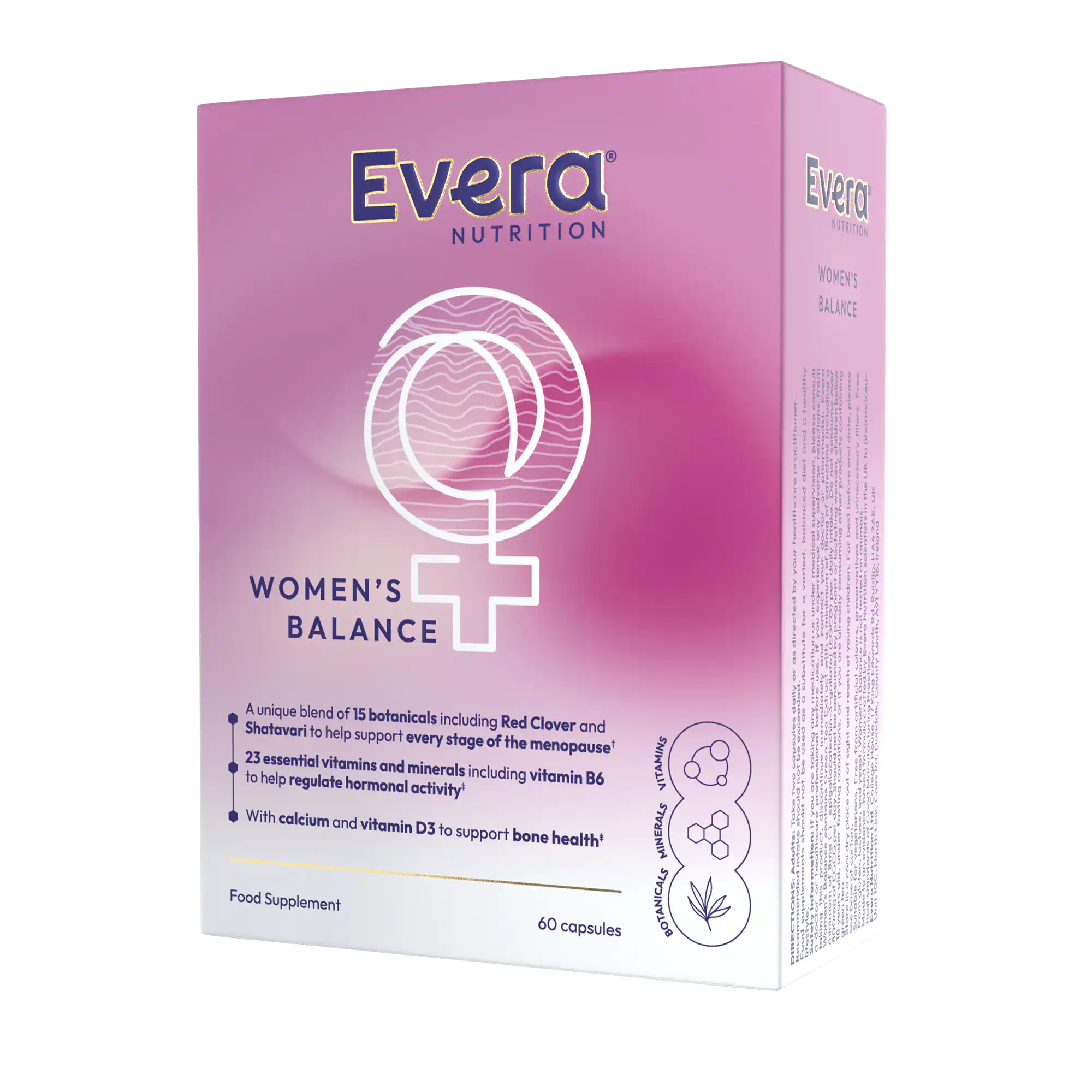
Yes – Women’s Balance can be taken daily.