



Our gut microbiome, a complex system of trillions of friendly microbes known as ‘microbiota’, is an essential contributor to maintaining general health and wellbeing. How well our digestive system is working can have an impact on our immunity, energy levels, and hormone responses. Gut health and digestive support supplements can help balance the good bacteria so you can feel comfortable and in control.
Our Digestive Products
Explore Our Range Of Gut Health & Digestive Supplements
Frequently Asked Questions About Gut Health
How does gut health influence everyday wellbeing?
The benefits of a balanced microbiome for our gut health include:
Providing a physical barrier to unwanted invaders
The sheer number and diversity of bacteria in a healthy gut microbiota create a competitive environment, making it difficult for harmful bacteria to colonise and cause infection.
Releasing antimicrobial substances
Many beneficial bacteria produce substances that inhibit the growth of, or kill, harmful bacteria.
Maintaining the mucus membrane
A healthy mucus layer acts as a protective barrier, preventing pathogens from reaching the intestinal cells and helping to maintain the structure of the gut wall.
Supporting the immune system
The gut microbiota helps to train the immune cells to distinguish between beneficial and harmful bacteria, promoting a balanced immune response.
Producing metabolites
The gut microbiota produces various metabolites which have been shown to have beneficial effects on gut health.
Supporting protein barriers
The gut microbiota can influence how well proteins form tight junctions between intestinal cells. This is crucial for maintaining the barrier function of the gut.
Repairing the gut wall
In cases of injury or inflammation, the gut microbiota can support the repair process by supporting our immune response and promoting the regeneration of the gut lining.
Aiding digestion
Beneficial bacteria help break down food, particularly fibre, which our bodies cannot digest on their own.
Supporting mental wellbeing
Emerging research suggests a connection between the gut and the brain (something called the “gut-brain axis”.) A balanced microbiome may positively influence our mood.
Preventing disease
An imbalanced gut microbiome has been linked to various health issues. Maintaining a diverse and balanced microbiome may reduce our risk of certain conditions.
Metabolising nutrients
Gut bacteria can produce essential nutrients like vitamins and short-chain fatty acids (SCFAs), which have many health benefits. They also produce enzymes that help us to absorb nutrients and synthesise essential vitamins like the eight B-vitamins and vitamin K.
Are stress and gut health linked?
The gut-brain axis
The gut-brain axis is the continuous, two-way communication system between the brain and the gut. It is bidirectional which means that stress can affect gut health, and gut health can affect stress.
Ongoing stress is linked to adverse gut changes which can lead to digestive upsets and discomfort. And these negative digestive changes feed back to the brain and can lead to more feelings of stress and anxiety.
Fight-or-Flight Response
The release of adrenaline diverts activity away from the digestive system, which can result in unpleasant symptoms such as nausea, diarrhoea or constipation.
The Stress Response
The release of cortisol can result in digestive problems such as upset stomach, sluggish digestion and bloating.
How can diet and nutrition affect gut health?
Dietary fibre
Consuming a variety of soluble and insoluble fibre from whole grains, legumes, pulses, fruits, and vegetables will help the gut to function optimally. Whole grains are associated with improved gut microbia.
Plant-based diets
Plant‐rich diets are associated with greater microbial diversity, increased beneficial microbes, and a lower risk of inflammatory disease.
Fermented foods
There is evidence that regular consumption of fermented foods increases microbial diversity and decreases inflammation.
Polyphenols and phytochemicals
Polyphenols (pigments found in plants like fruits, vegetables and herbs) are compounds which feed good bacteria, help to suppress pathogens (invading microbes), reduce oxidative stress, and support inflammation control.
Protein
Reducing your intake of processed meats will support a healthier digestive system.
Hydration
Staying well hydrated not only helps support the movement of food through your digestive system, but it also supports the function of digestive enzymes and helps the body to absorb nutrients.
Limit intake of saturated fats, simple sugars, and ultra‐processed foods
Diets which are high in saturated fats and simple sugars are associated with a range of digestive issues. Ultra‐processed foods are linked to multiple adverse health outcomes and poorer gut microbial profiles.
What other lifestyle factors can affect digestive health?
Physical activity and exercise
Regular exercise is associated with greater microbial diversity. It helps improve gut motility and may reduce food transit time in the gut.
Sleep quality & circadian rhythm
Disruption of sleep or shift work alters microbiota and can negatively impact the gut’s barrier function and increase inflammation.
Antibiotics and other medications
Antibiotics can significantly disrupt gut microbiota. Other medications (such as NSAIDs, proton pump inhibitors, and some psychiatric medications) also influence microbiota and barrier function.
Smoking and alcohol
Smoking is associated with adverse gut microbial changes. Drinking alcohol in excess damages the mucosa lining, alters microbiota, and increases gut permeability.
What is the difference between probiotics and prebiotics?
There are actually three types of biotic:
Pre (before digestion)
Pre-biotics provide fuel for the good bacteria (pro-biotics) to do their best work.
Pro (during digestion)
Pro-biotics are beneficial bacteria that work hard to balance your gut flora.
Post (after digestion)
Post-biotics are the beneficial by-products of healthy bacterial activity.
Combining prebiotics, probiotics, and postbiotics can significantly enhance our gut health and overall wellbeing.
How can supplements help support digestive health?
Whatever symptoms you may be experiencing, there are vitamins, minerals, botanicals, and friendly bacteria which can help support your digestion.
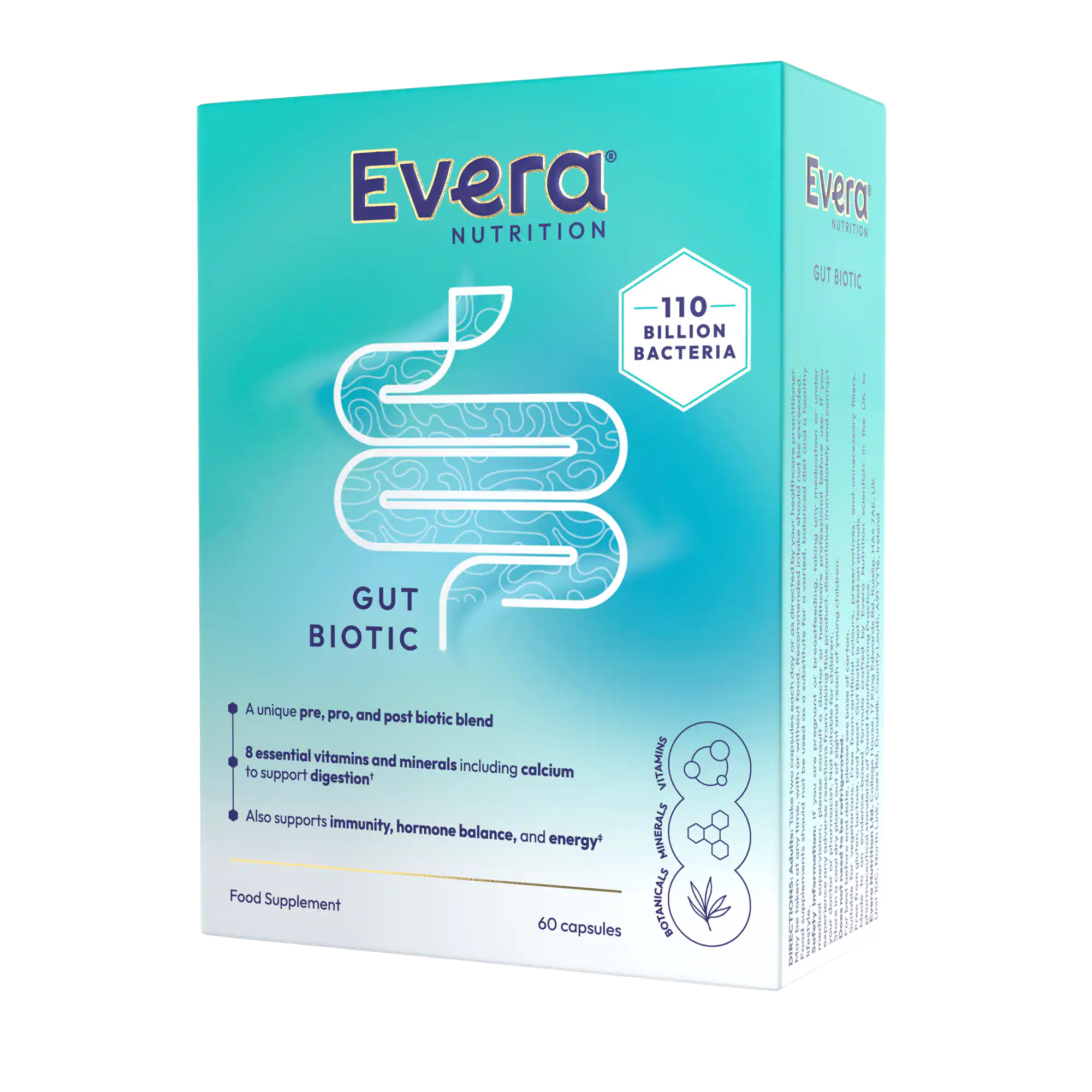
Discover Gut Biotic
Which nutrients help support gut health?
Flavonoids (prebiotics)
Flavonoids are a group of phytonutrients (plant compounds) that give colour to fruits and vegetables, but are also found in cacao, coffee, and tea.
Hesperidin and naringin are flavonoids which the gut microbiota digests and converts into hesperetin and naringenin. These forms are better absorbed and can promote the growth of friendly, beneficial bacteria in the gut.
Bacillus Subtilis (probiotic)
Bacillus subtilis is a probiotic found naturally in the gut.
Bacillus Subtilis can help to enhance gut barrier function and support the immune system. Some research suggests it can improve overall gastrointestinal health, reduce symptoms of digestive issues such as diarrhoea, constipation, bloating, and indigestion, and help balance the gut microbiome.
Lactococcus Lactis (postbiotic)
Postbiotics are deactivated probiotics and have similar benefits to live probiotics.
Lactococcus Lactis provides immune support by helping to activate specific immune cells, stimulating the body’s natural defence mechanisms.
Vitamins and Minerals
There are a number of essential nutrients that play an important role when it comes to supporting your digestion. Making sure to avoid micronutrient deficiencies is another way to help support your digestive health and overall wellness.
Calcium contributes to the normal function of digestive enzymes and also plays a role in muscle function and nerve transmission, which are important for the coordinated movements of the digestive tract.
Vitamins B1, B2, B3, B5, B12, and biotin contribute to normal energy-yielding metabolism.
Vitamins A, B6, B12, and D3, folic acid, and selenium help to support the normal function of the immune system, whilst vitamin B6 contributes to the regulation of hormonal activity.
Are Gut Biotic supplements suitable for long-term use?
Yes –Gut Bioticissuitable forlong-term use.
Can gut health supplements be taken alongside everyday foods?
Yes – gut health supplements can be taken alongside your normal diet. Gut Biotic can be taken at any time, with or without food.